How to build a season snacks planner for healthier, easier weekly choices
Key Takeaways
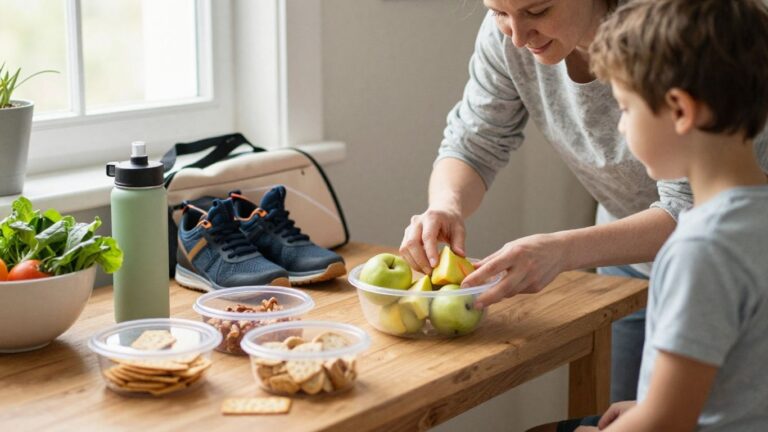
I use a season snacks planner to make busy sport days easier, reduce rushed food choices and use produce while it is at its best.
- Start with the times, people and occasions the planner needs to serve.
- Mix fresh, frozen and shelf-stable ingredients to make the plan realistic.
- Match snack portions and combinations to age, activity and appetite.
- Prepare a few dependable options before the week becomes hectic.
- Review what the family actually eats, then adjust the next plan.

Define your season snacks planner goals
Before I choose recipes, I decide what I want the planner to fix. With sporty kids, that might mean fewer last-minute shop stops, better options after training and snacks that can survive a trip in the car. A useful plan should fit our real week rather than create another job to manage.
Match snacks to your schedule
I begin by writing down the moments when snacks are most likely to be needed: school pickup, the drive to training, half-time breaks, weekend mornings and the journey home. A snack that works at the kitchen table may be awkward on a sideline, so I plan around access, timing and mess as well as taste. This makes the planner practical from the start.
Set nutrition and budget priorities
I choose a few simple priorities before comparing ingredients. I might aim for filling combinations, sensible portions and food that can be bought without stretching the weekly shop. A short priority list keeps me from buying every appealing seasonal item and helps me decide what deserves a regular place in the plan.
Account for dietary needs and preferences
I list allergies, intolerances, dislikes and family preferences before I build recipes around them. I also check labels on packaged foods and keep shared snacks separate when that is needed. My goal is to make the safe choice as easy to reach as the popular choice, especially when we are leaving for sport in a hurry.
Decide how much variety to include
Too little variety leads to boredom, while too much leaves half-used ingredients in the fridge. I usually repeat a few reliable bases and change one element, such as the fruit, spread or seasoning. That gives the kids familiar choices without making every day feel identical.
Choose seasonal snack ingredients
Seasonal planning does not mean buying only fresh produce from one narrow list. I look for ingredients that are enjoyable, available and manageable in our household. The best choices are the ones my family will eat and I can store safely until the planned snack time.
Identify produce at its peak
I check what looks plentiful at the local shops and markets, then choose produce that suits the week ahead. Fruit can be paired with yoghurt, oats or cheese, while vegetables may work with dips, sandwiches or savoury muffins. I do not force an ingredient into the plan simply because it is technically in season.
Compare fresh, frozen, and shelf-stable options
Fresh food is useful when I expect it to be eaten quickly, but frozen and shelf-stable ingredients can make a planner more dependable. Frozen berries, tinned legumes, wholegrain crackers and nut or seed spreads can fill gaps when fresh produce is expensive or inconvenient. A mixed approach also means one missed shopping trip does not undo the whole week.
Balance sweet, savory, and filling foods
I give the week a mix of flavours so snacks do not become a parade of sweet food. Fruit can sit alongside a filling partner, while savoury options such as vegetable sticks, crackers or simple wraps add contrast. I also allow room for the children’s favourites, because a nutritious snack that comes home untouched has not solved much.
Check availability and storage requirements
Before I commit to an ingredient, I consider how long it will last, whether it needs refrigeration and whether it can travel. Some foods are best prepared close to serving, while others can be portioned several days ahead. This small check prevents waste and stops me packing something that will not hold up during a long afternoon.
Build a practical weekly snack plan
Once I know our ingredients and priorities, I put them into the shape of an ordinary week. I think about school, training, games, work and travel rather than treating every snack occasion as interchangeable. The planner only earns its place on the fridge if I can follow it when the day runs late.
Assign snacks to specific days and occasions
I write the occasion beside each snack instead of making a vague list of foods. A Monday school pickup might need something quick, while a Saturday morning game allows more time for preparation. This also shows me where the same snack can sensibly appear twice and where I need a sturdier option.
A simple weekly view helps me match food with the conditions around it:
| Occasion | Useful qualities | Example direction |
|---|---|---|
| School pickup | Portable and low-mess | Fruit with a filling partner |
| Before training | Familiar and easy to eat | A small wrap or yoghurt |
| After training | More substantial | Crackers, cheese and vegetables |
| Weekend travel | Stable and easy to portion | Oat bars or shelf-stable fruit |
I use the table as a prompt, not a rigid menu. If training is cancelled or the weather changes, I can swap within the same category without rebuilding the whole week.
Plan portions for children and adults
I avoid assuming that one serving suits everyone. I portion smaller amounts for younger children and allow older children or active adults to take more if they are genuinely hungry. I also pack a little separately when possible, so an uneaten portion does not spoil the rest of the food.
Include snacks for home, work, and travel
I mark where each snack will be eaten and choose packaging accordingly. Home options can be served in bowls, while work and travel snacks need containers that close properly and fit into a bag. For sport, I favour foods that can be handled quickly without cutlery or a long pause.
Create backup options for busy days
A backup is not a second elaborate recipe. I keep a few dependable combinations ready for the afternoon when I have forgotten to shop or preparation has slipped. These might use frozen fruit, crackers, tinned food or another cupboard staple, giving me a practical fallback without turning to an unplanned shop.
Organize shopping and preparation
Good planning becomes much easier when the shop and the kitchen support it. I turn the weekly ideas into a short list, then prepare only the parts that genuinely save time later. The aim is not to spend a whole weekend cooking snacks; it is to remove a few predictable obstacles.
Turn the plan into a shopping list
I read across the weekly plan and record ingredients by quantity or package, checking what is already at home first. I note ingredients that appear in more than one snack so I do not buy duplicates. This is also where I can replace an expensive item with a similar option already in the cupboard.
I find it useful to check four things before leaving for the shop:
- Which ingredients are already available at home.
- Which fresh foods need to be eaten early in the week.
- Which portions need individual packaging.
- Which backup foods should be replenished.
That short check makes the list more accurate and reduces the chance of buying food for an imaginary week. I can then shop with the actual schedule in front of me rather than relying on memory.
Group ingredients by grocery section
I group the list into produce, chilled foods, pantry items and frozen foods. This keeps me moving through the shop and makes it easier to notice when one category has become much larger than the others. I also place storage needs beside unfamiliar items, so I remember to make room before bringing them home.
Prep snacks in batches
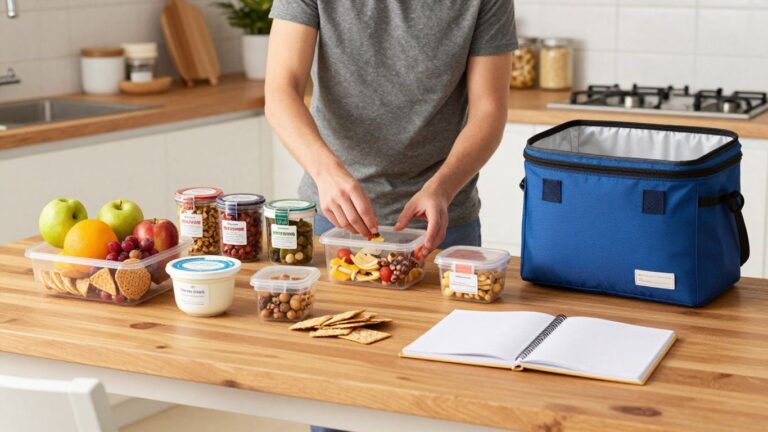
I prepare a modest batch of tasks that will hold well, such as washing produce, portioning crackers or making a dip. I leave delicate items until closer to serving when texture matters. Batch preparation works best for me when it is selective; preparing everything at once can create more waste and cleaning than it saves.
Use efficient storage containers and labels
I use containers that match the serving size and the way the food will travel. A simple label with the food and day helps everyone find the right option, especially during a rushed morning. I keep ready-to-eat items visible and place longer-lasting backups where they will not be forgotten.
Keep seasonal snacks nutritious and appealing
A snack does not need to be complicated to be satisfying. I look for combinations that offer staying power, keep added sweetness modest and still feel enjoyable to children who have just finished sport. Colour, crunch and familiar presentation often make more difference than an ambitious recipe.
Combine protein, fiber, and healthy fats
I try to pair at least two useful elements rather than serving a single food every time. Fruit with yoghurt, vegetables with hummus, or wholegrain crackers with cheese are simple examples of combinations with different textures and flavours. I adjust the choices to our preferences and what can be transported safely.
Limit added sugar and highly processed ingredients
I read the ingredient list on packaged snacks and avoid building the planner around foods that are mostly sweetened or heavily processed. That does not mean every packaged food is forbidden. It means I use convenient items thoughtfully, alongside ordinary foods that provide more variety and help the snacks feel like part of a balanced week.
Make snacks more appealing with texture and color
I use two or three colours when I can, and I vary soft, crisp and crunchy textures. Cutting fruit differently, serving a dip in a small container or combining familiar foods on a skewer can make the same ingredients feel new. I keep presentation quick, because a snack should not require a craft project.
Adjust portions for energy needs
I consider the time until the next meal, the length of the activity and the child’s usual appetite. A small snack may suit a short trip, while a longer training session calls for something more substantial. I watch how much comes home and use that information to adjust the next portion without turning food into a reward or punishment.
Review and improve your planner
I treat the first version as a trial rather than a permanent rulebook. Each week gives me useful information about what was eaten, what travelled well and which preparation steps were unrealistic. A few quiet adjustments can keep the planner useful as the family calendar changes.
Track which snacks are popular
I make a quick note beside each planned snack: finished, partly eaten or ignored. I also ask what made a snack easy or difficult to eat, especially after training when the children are tired. Over time, this gives me a more honest guide than choosing foods based only on how appealing they look in the shop.
Reduce waste and control costs
I check which foods were left unused and whether they can be carried into another snack. I buy smaller amounts of fragile produce when the week is crowded and use longer-lasting ingredients for uncertain days. Keeping a short list of repeat purchases helps me notice where convenience is quietly increasing the shop total.
Adapt the plan as the season changes
When a new fruit or vegetable becomes available, I substitute it into an existing combination rather than starting again. I also change the storage and travel choices as the weather shifts. A cold yoghurt snack may suit one part of the year, while a room-temperature option is easier during another.
Refresh recipes without rebuilding the entire planner
I keep the structure of the week and alter only one part at a time. A new dip, a different fruit, another wholegrain base or a changed seasoning can refresh a familiar snack. This keeps the season snacks planner recognisable for the kids and manageable for me, which is usually what makes it last beyond the first enthusiastic week.