How to use a season snacks planner to organize healthy snacks year-round
Key Takeaways
I use a season snacks planner to make everyday food choices easier without turning family life into a rigid schedule.
- Divide the year into useful snack seasons rather than planning every day months in advance.
- Pair filling foods with fresh, frozen, and shelf-stable choices.
- Record preparation time, storage needs, preferences, and easy substitutions.
- Shop around overlapping ingredients to save time and reduce waste.
- Review the plan regularly so it stays practical for changing routines and budgets.
Understand the purpose of a season snacks planner
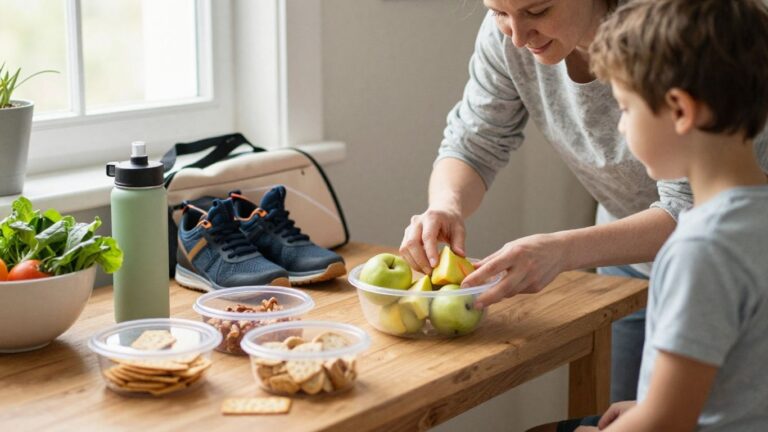
I started thinking about snack planning differently once my kids became busy with training, school, and weekend sport. A season snacks planner is not a strict menu; it is a simple place to collect ideas that suit the time of year and the way my family is actually living. It helps me make a sensible choice before everyone is hungry and rushing out the door.
How seasonal planning simplifies snack decisions
When I plan snacks by season, I can narrow a large number of possibilities into a short list that fits the weather, the timetable, and what I can easily buy. In warmer months, I might favour foods that travel well in a cooler bag, while cooler months make room for snacks that are comfortable to eat after an outdoor session. The decision is made once, rather than repeatedly at the busiest part of the day.
I keep the plan visible and write down several alternatives instead of one prescribed answer. That small distinction matters when a child changes their mind, a shop runs out of an ingredient, or training finishes later than expected.
The benefits of rotating snacks throughout the year
Rotating snacks keeps our routine from becoming dull and gives me a reason to use foods that are naturally available at different times of year. My kids still have familiar favourites, but I can introduce variety around them instead of replacing everything at once. A seasonal change can be as simple as using different fruit, spreads, or combinations with the same basic pantry staples.
I also find that rotation makes shopping more purposeful. Rather than buying every possible option, I choose a few dependable snacks for the current season and leave room for one or two new ideas to test.
Who can benefit from a seasonal snack system
A seasonal snack system can suit anyone who regularly needs food ready for work, school, sport, commuting, or days spent at home. I find it especially useful for families whose afternoons are shaped by training sessions and competitions, because the plan can include both quick snacks and options that need a little preparation.
It does not require a large household or a particular eating style. A single person can use the same approach by planning a few workday choices, a few travel choices, and a small list for relaxed weekends.
How to balance convenience, nutrition, and variety
I begin with foods my family will actually eat, then look for ways to make those choices more filling and varied. A snack does not need to be elaborate to be useful; a straightforward combination can work better than a complicated recipe that never gets made. I aim for a balance of foods that provide staying power, foods that are easy to carry, and foods that add colour and interest.
The key is a workable middle ground. If a plan demands too much chopping, special equipment, or last-minute effort, I simplify it before putting it into regular rotation.
Build a seasonal snack calendar
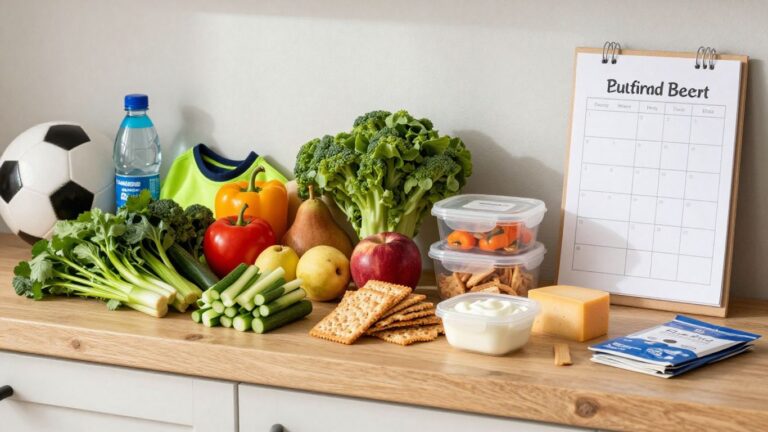
I treat a snack calendar as a broad map, not a promise that every date will go according to plan. It gives me a way to think about weather, availability, school terms, sport seasons, and family events together. I leave enough open space for ordinary life, because missed plans are normal in a busy household.
Divide the year into practical snack seasons
I do not need four perfectly equal seasons. I might use school terms, warmer and cooler weather, or the start and finish of a sporting season as the boundaries. The useful question is what changes in my family’s routine, not whether the calendar matches a textbook definition of summer, autumn, winter, or spring.
For each period, I write a short list of regular snacks, a few portable choices, and one or two options for slower days at home. This keeps the plan small enough to use.
Match ingredients to seasonal availability
Seasonal availability can guide my choices without making the planner complicated. I look for produce that is easy to find, reasonably priced, and suited to how I intend to store and serve it. If a preferred ingredient is unavailable, I would rather swap it than delay the whole plan.
I also consider how long food will last once I bring it home. A snack that looks appealing but spoils before anyone eats it is not a useful addition to the calendar.
Plan for school, work, travel, and home
Different settings need different levels of preparation. I use one part of the planner for snacks that can go into a school or work bag, another for food that needs cooling, and another for options that can be served at home. Sport adds another consideration: I need to think about timing, mess, packaging, and whether the snack can tolerate being carried around.
I keep these categories flexible rather than assigning a single food to one situation. A familiar snack can often work in several places if I adjust the container or portion.
Account for holidays, events, and changing routines
Holidays, tournaments, birthday parties, and school events can change how much food we need and when we eat it. I mark those periods lightly on the calendar so I can avoid overbuying for a week that will be unusually busy or full of shared food. I also note periods when normal training pauses or travel makes kitchen preparation less convenient.
This is where a calendar becomes more useful than a static list. It reminds me to plan around the family’s real rhythm rather than forcing the rhythm to fit the plan.
Choose nutritious snacks for every season
When I choose snacks, I think about what will help my kids stay satisfied between meals while still being practical to pack and serve. I avoid treating one ingredient as a magic answer and instead consider the overall combination. The best choice depends on the child, the setting, the timing, and what else they will eat that day.
Combine protein, fiber, and healthy fats
I often pair a carbohydrate-rich food with something that adds protein, fibre, or unsaturated fat. For example, fruit can sit alongside yoghurt, a wholegrain food can be paired with a suitable spread, or vegetables can be served with a dip. These combinations give me more flexibility than relying on a single snack type.
I keep portions and ingredients appropriate for the person eating them, and I check labels when packaged foods are part of the plan. The aim is a satisfying option, not a nutrition lesson at every snack break.
Select fresh, shelf-stable, and frozen options
Fresh food can add texture and variety, while shelf-stable choices are useful for bags, cars, and unexpected delays. Frozen ingredients can also help me keep options available when shopping days are spread out. I plan across all three types so the family is not dependent on perfect timing or one trip to the shops.
The following simple mix helps me build a season without filling the pantry with more than we can use:
- Fresh choices for meals or snacks eaten soon after shopping.
- Shelf-stable choices for school bags, travel, and backup supplies.
- Frozen choices for variety and longer storage.
- A small number of prepared items for the busiest days.
After writing these categories down, I can see whether the plan depends too heavily on one type of food. I then adjust it to suit the available storage and the places where my kids are most likely to eat.
Adapt snacks for different dietary needs
I check what each person can safely and comfortably eat before adding an item to the family plan. Dietary preferences, allergies, intolerances, cultural choices, and school rules may all affect the final list. When a substitution is needed, I record it beside the original idea so I do not have to solve the same problem during a rushed morning.
I keep packaged-food information in mind and avoid assuming that two similar-looking products have identical ingredients. Where a dietary concern is significant, I follow the relevant instructions from the family and the organisation involved.
Use portion sizes appropriate for children and adults
Portion needs vary with age, appetite, activity, and the timing of the next meal. I avoid making every snack the same size, particularly when one child is heading to training and another is sitting through a quiet afternoon. I use smaller containers for younger children and allow room for more food when an older child has a longer gap between meals.
I also watch what comes home uneaten. That feedback tells me more about a suitable portion than an arbitrary target written on the planner.
Organize snack ideas in the planner
A useful planner should be quick to read when I am standing in the kitchen or packing a bag. I give each idea just enough information to answer the questions I usually have: what is it, where will it go, how long does it take, and who likes it? This turns a collection of recipes into a tool I can use on a normal weekday.
Create categories for sweet, savory, and portable snacks
I separate ideas by how they are likely to be used rather than by recipe style alone. Sweet and savoury headings make browsing easier, while a portable heading highlights foods suited to school, work, travel, and sport. Some foods can appear in more than one category, which is fine if that saves me time later.
I may also add headings such as no-cook, freezer-friendly, or after-training. These practical labels help me find the right type of snack without scanning the whole page.
Record preparation time and storage requirements
I write down whether an item takes no preparation, a few minutes, or a longer batch session. I also note whether it needs refrigeration, an insulated bag, an airtight container, or careful handling. These details stop me from choosing a snack that is technically suitable but impossible to manage on a particular day.
I keep the notes short. “Pack cold” or “make the night before” is often more useful than a paragraph of instructions.
Track favorite snacks and family preferences
I add a small rating or comment after a snack has been tried. A simple note such as “popular after training”, “better fresh”, or “not for the car” gives me useful context when I return to the idea later. I also record preferences without letting them dictate every choice.
This running record helps me notice patterns. If something is repeatedly left untouched, I can remove it, change the presentation, or stop buying it rather than allowing it to become waste.
Add simple substitutions for unavailable ingredients
I write substitutions that make sense for the same purpose, texture, or storage need. A different fruit, a comparable wholegrain option, or another suitable dip may be enough to keep the plan moving. I avoid creating a long list of replacements that becomes harder to use than the original idea.
A short substitution note also makes shopping less stressful. If an ingredient is missing, I can make a decision in the aisle instead of abandoning the snack altogether.
Plan shopping and preparation efficiently
The planner becomes most valuable when it connects ideas with the work of buying, preparing, and storing food. I review the upcoming week or fortnight and choose only the snacks that fit our actual commitments. That approach reduces the temptation to prepare a large amount of food simply because a plan looks good on paper.
Turn snack ideas into a seasonal shopping list
I group my list by the way I shop: fresh produce, chilled items, pantry foods, frozen items, and containers or packaging if needed. I check what is already at home before adding anything, then mark ingredients that can serve more than one snack. This gives me a clearer picture of what the season will really cost in time and space.
A table can make this review faster, especially when I am planning around several activities:
| Snack use | Main preparation | Storage need | Useful season note |
|---|---|---|---|
| School or work bag | Pack in advance | Container or bag | Choose tidy, portable foods |
| After-training snack | Little or no cooking | Cooler bag or fridge | Prepare for late finishes |
| Home afternoon | Basic assembly | Pantry or fridge | Keep familiar options available |
| Travel backup | No cooking | Shelf-stable storage | Replace items before they expire |
Once I can see the plan in this format, I remove duplicates and check that every purchase has a likely use. The table is not a meal timetable; it is a quick way to match food with the situations that create the most pressure.
Batch-prep snacks without sacrificing freshness
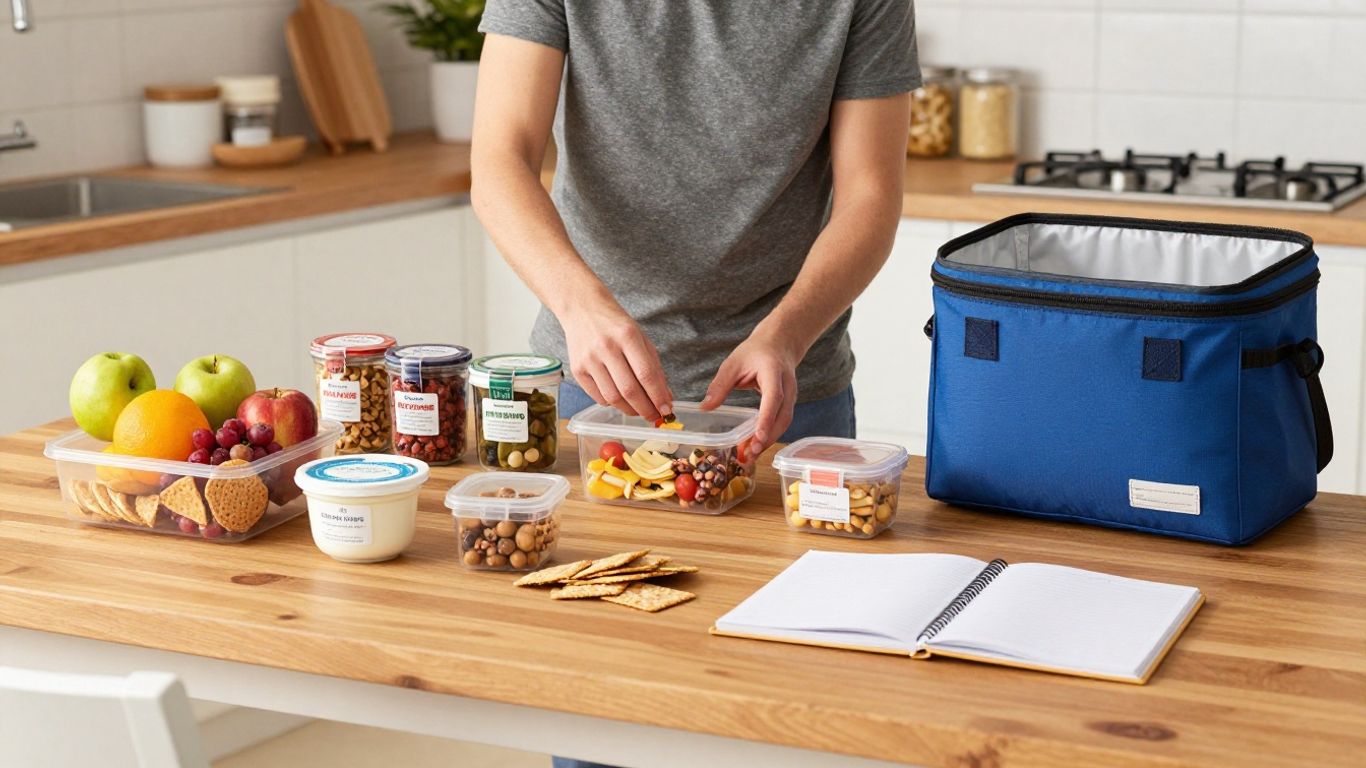
Batch preparation works best for items that store well and can be portioned without losing their appeal. I might wash and divide ingredients, prepare a spread, or set aside individual portions rather than making every snack for the whole week. Foods that are better fresh stay on the shorter preparation list.
I leave a little space between preparation sessions so the family is not eating the same thing day after day. That keeps batch work useful without making the plan feel repetitive.
Store ingredients safely and accessibly
I place frequently used items where I can see them, while keeping foods that need particular storage conditions in the appropriate place. I use containers that suit the food and label prepared items when there is any chance I will forget when they were made. A plan that ignores storage is difficult to maintain, especially after a late training night.
I also teach my kids where the suitable options are kept. Easy access can reduce the number of last-minute requests and helps them participate in packing their own snacks as they get older.
Reduce food waste through ingredient overlap
I look for ingredients that can appear in several snacks during the same season. One type of fruit, a dip, or a wholegrain staple may work in different combinations, which helps me use it before it loses quality. I do not buy an unusual ingredient for a single idea unless I already know how I will use the remainder.
At the end of each week, I check what needs using first and adjust the next few snacks around it. That small habit is often more effective than trying to design a flawless shopping list in advance.
Keep the season snacks planner flexible
No planner survives unchanged once it meets school notices, weather, appetites, and sport schedules. I expect to edit mine rather than treating changes as a failure. The purpose is to make decisions easier, not to create another standard my family can fall short of.
Review what works at the end of each season
I set aside a few minutes to look back at the season. I note which snacks were packed often, which required too much effort, which spoiled, and which suited particular activities. I also check whether the plan offered enough variety without creating a shopping burden.
I keep the useful notes and remove the clutter. A shorter planner that reflects experience is more valuable than a long list I never open.
Adjust the plan for budget and availability
Prices and availability can change, so I revise the plan according to what is practical at the time. I may use more pantry staples, choose a different fresh ingredient, or reduce the number of prepared items during an expensive or busy period. I keep the focus on adaptable combinations rather than specific branded products.
I also compare the plan with what my household already buys. Sometimes the most sensible adjustment is to use a familiar ingredient in a new pairing instead of adding another item to the trolley.
Introduce new snacks without overwhelming the routine
I introduce one new idea alongside familiar foods, then give it a fair chance in a suitable setting. A food that is rejected before training may be better received at home, and a snack that works for one child may not suit another. I record the context rather than labelling the idea a universal success or failure.
Small experiments keep variety alive. They also let me change course quickly if preparation, storage, or taste does not fit our routine.
Use leftovers and pantry staples creatively
I scan the fridge and pantry before shopping for a completely new solution. Leftover ingredients can often become part of a simple snack when combined with something fresh or filling, while pantry staples provide a reliable base on rushed days. I stay mindful of storage and quality, but I do not assume every snack needs a separate recipe.
That habit gives the planner a useful final category: “use soon”. It helps me make room for new seasonal food, spend less time deciding, and keep the plan connected to what is already in the house.